

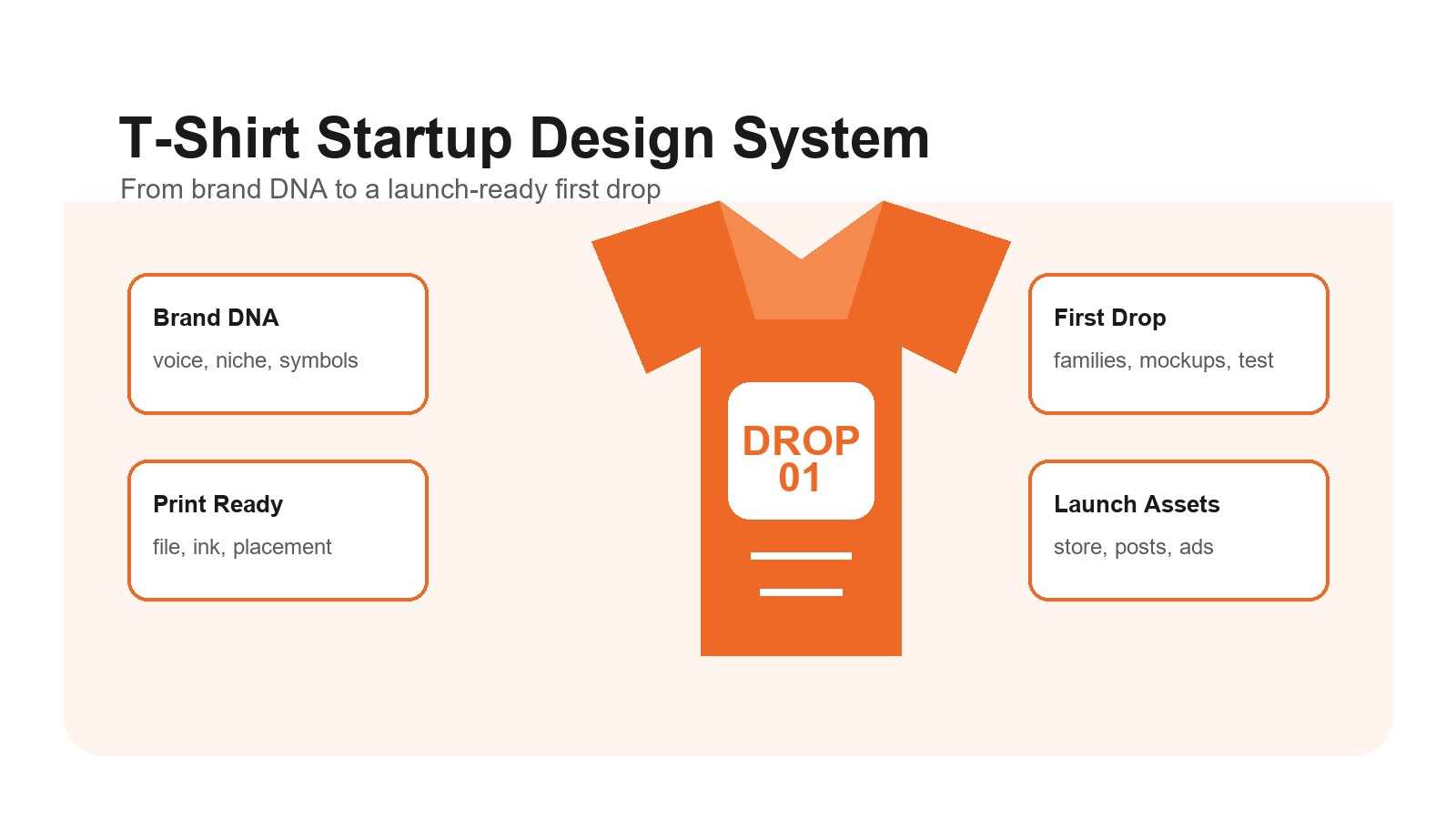
A clothing brand does not fail because one graphic is ugly. It usually fails because the first drop feels random, hard to explain, and disconnected from the buyer's identity. This guide gives you t shirt design ideas for a clothing brand startup that can become a real collection, not a folder of isolated concepts. By the end, you will have a practical way to define your brand DNA, choose four design families, match each idea to a print method, test demand before ordering inventory, and turn your launch into a repeatable system. That is the same lens we use at Optivanced when a founder needs creative direction that can survive the first campaign
What Makes T Shirt Design Ideas for a Clothing Brand Startup Work?
Strong shirt concepts start with a buyer, not a blank canvas. A startup has fewer chances to be misunderstood than an established label, so every design should answer three questions quickly: who is this for, what does it signal, and why would someone wear it in public? The best t shirt design ideas for a clothing brand startup are easy to photograph, easy to describe in a product title, and specific enough to attract a small audience before trying to please everyone.
Most competitor lists stop at themes like vintage, minimal, anime-inspired, or typography-led graphics. Those can be useful, but they are categories, not strategy. A founder needs a system that turns those categories into decisions: the visual language, the placement on the garment, the print technique, the colorway, the launch angle, and the reason the design belongs in the same world as the rest of the drop.
Think of your first drop as a controlled experiment. You are not proving that you can design one nice shirt. You are proving that a stranger can understand the brand, see themselves in it, and trust the product enough to buy. That is why your launch set should include a few related design families rather than ten unrelated jokes, slogans, and graphics chasing different audiences.
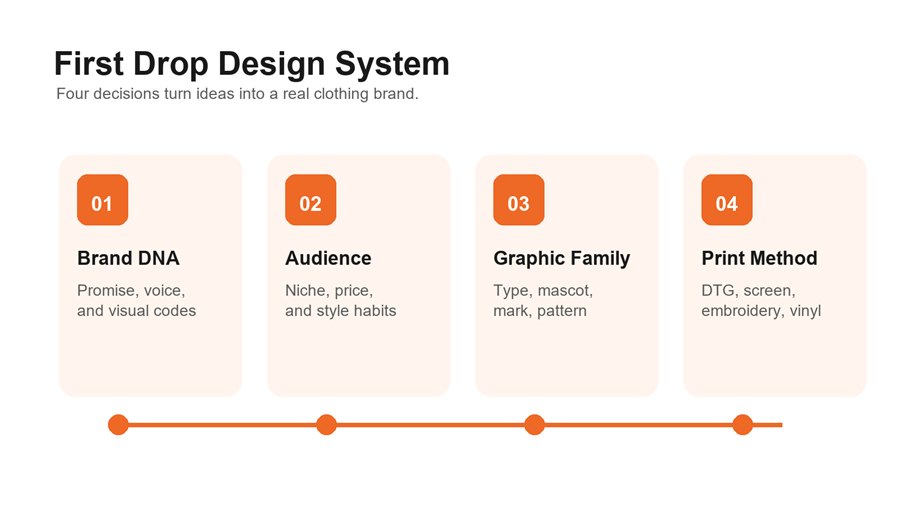
Figure 1: A first drop becomes easier to build when brand
DNA, audience, graphic family, and print method work together.
Start With Brand DNA Before You Draw Graphics
Before sketching, write a one-page brand brief. Keep it
blunt. Name the audience, the emotional territory, the phrases they use, the
visual codes they already recognize, and the things your brand will avoid. If
that foundation is still loose, Optivanced can help translate it through logo and branding direction before a design
drop gets expensive.
For a streetwear startup, brand DNA might be rebellion, local pride, music culture, and oversized placement. For a wellness apparel brand, it might be calm typography, soft neutrals, and affirmations that feel wearable rather than sentimental. For a skate label, it might be distorted type, badge marks, grit textures, and inside jokes. The point is not to copy a niche. It is to define the rules that make a design feel like it belongs to you.
Use three filters before accepting any concept. First, would your target customer understand it without reading an explanation? Second, could the idea become a campaign photo, a short video, or a product page hook? Third, does it connect to at least one other piece in the collection? If the answer is no, the design may still be interesting, but it probably is not first-drop material.
This is where many founders confuse taste with brand. Taste says, 'I like this graphic.' Brand says, 'This graphic helps the right buyer recognize us.' That difference matters because clothing is public. A buyer is not only buying fabric; they are borrowing a signal. The sharper your signal, the easier it is to create early traction.
Build a First Drop Around Four Proven Design Families
A smart first drop does not need twenty designs. It needs enough range to test buyer preference while still feeling coherent. Four design families are usually enough: a typography-led piece, a symbol or badge piece, a hero graphic piece, and a quiet essential. Together, they give you a balanced launch that can serve different comfort levels without splitting the brand into separate personalities.
Typography-led shirts are the simplest place to start. They can be bold block type, compact chest text, a curved slogan, or a small back-neck phrase. The trick is to avoid generic motivation and write like your audience actually talks. Short, specific language beats broad claims. A phrase such as 'Night Shift Creative' has more identity than 'Work Hard Dream Big' because it gives the buyer a scene, not just advice.
Symbol and badge designs give the brand a repeatable mark. This could be a monogram, local icon, mascot, crest, stamp, or abstract shape. A founder planning a full apparel identity should connect this family to the broader UI/UX and graphics design system so the same marks can appear across packaging, hang tags, social posts, and landing pages.
Hero graphics carry the campaign. These are larger front or back prints, usually with a stronger illustration, scene, or visual metaphor. They photograph well and give your launch content a main character. Quiet essentials do the opposite: small chest marks, sleeve details, or minimal back prints that make the collection wearable for customers who like the brand but do not want the loudest piece.
Use these families to generate t shirt design ideas for a
clothing brand startup without drifting. For example, a local running club
label could launch with a bold pace slogan, a route-map badge, a large
finish-line back graphic, and a small chest-mark essential. A cafe-inspired
lifestyle brand could use staff slang, a cup stamp, a counter-scene
illustration, and a tiny, embroidered mark. The formulas stay stable while the
creative direction changes by niche.
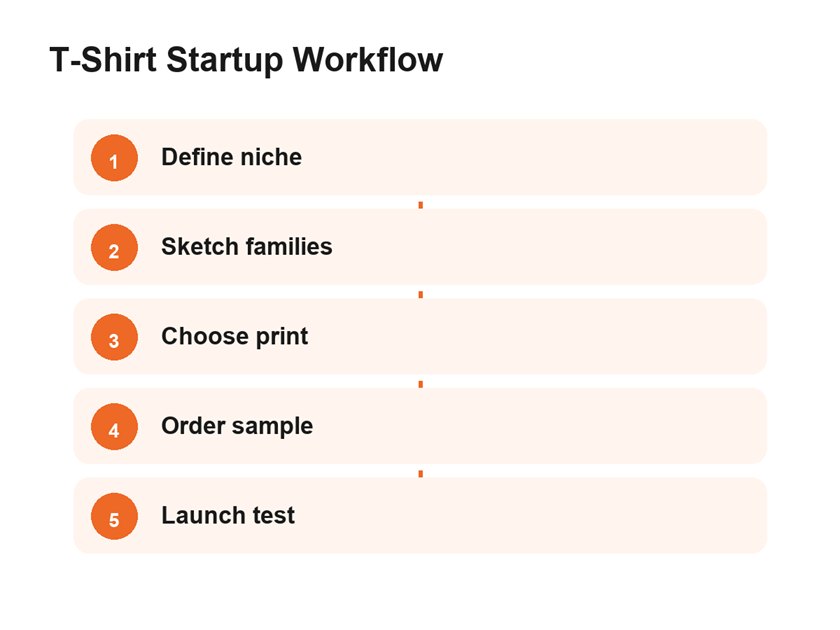
Figure 2: A startup workflow keeps the design process
moving from niche definition to launch testing.
Match the Idea to the Print Method
A design can look strong on screen and still fail as a product if the print method is wrong. Direct-to-garment printing is flexible for smaller runs and detailed art. Screen printing is efficient when you have volume and fewer colors. Embroidery works for badges and premium small marks. Heat transfer can work for tests, events, and short campaigns. Printful's print-file guidance emphasizes preparing artwork with the correct size, transparency, and resolution before production, while Printify's print dimension guidance reminds sellers to design within each product's printable area.
That means your first creative decision should include production constraints. A tiny detailed illustration might disappear on a heavy cotton shirt. A thin script slogan may crack or blur depending on method and fabric. A huge chest print may feel stiff if the ink coverage is too dense. If your design depends on texture, distressing, or fine lines, order a sample before showing it to customers.
File discipline also matters. Keep a layered source file, an export-ready transparent PNG, and a vector version where possible. Use consistent naming so you know which mockup, product page, and print file belong together. A startup often moves quickly, but messy files cause expensive delays when a design suddenly starts selling and needs a second colorway or restock.
For your first drop, keep the production matrix simple. Choose two garment blanks, two or three colorways, and one primary print method. Then let creative variety come from placement and graphic family rather than a chaotic mix of techniques. The result is easier to photograph, easier to quality check, and easier to reorder if demand appears.
Test Designs Before You Order Inventory
Testing is not just posting a mockup and asking, 'Would you buy this?' People are generous with likes and cautious with money. Better tests ask for a harder signal: email signups, waitlist clicks, preorder deposits, saves, replies, or comments that name the specific design. Shopify's print-on-demand guidance frames POD as a way to sell shirts without holding inventory upfront, which makes it useful for validating demand before committing to stock. See Shopify's overview of print-on-demand shirts for the business model basics.
Create a simple test board with each design family, not every color variation. Show a front mockup, a back mockup if relevant, one lifestyle crop, the product name, and the one-sentence story. Then send traffic from short-form content, email, or a small paid test to a focused page. Track which concept people remember, which one gets questions about sizing or price, and which one earns action.
If your launch depends on online sales, connect the creative work to a real storefront plan early. Our ecommerce development team often sees apparel founders lose momentum because product photography, variants, checkout flow, and mobile speed are treated as afterthoughts. The design can create desire, but the store has to convert that desire before attention fades.
Use the test to edit, not to chase every opinion. If your best audience loves a design but casual observers do not, that may be a good sign. Early brands win by being legible to a specific group first. The right goal is not universal approval. It is enough evidence to decide what belongs in Drop 01, what should wait, and what should be killed before it costs money.
Benefits of a Repeatable T-Shirt Design System
A repeatable system saves more than design time. It helps your brand feel intentional across product pages, ads, packaging, and social content. When the buyer sees the same visual logic in the shirt, the product title, the model photo, and the launch caption, the brand feels more trustworthy. That trust matters for a new store with no long history of reviews.
It also makes creative decisions easier. Instead of asking, 'What should we design next?' you can ask, 'Which family needs a new variation, and what customer signal supports it?' That small shift protects you from random inspiration. You still have room for surprise, but every surprise has a job.
The system improves content production too. A typography
shirt can become a reel about the phrase. A badge shirt can become a
behind-the-mark post. A hero graphic can become a launch story. A quiet
essential can become a styling carousel. For apparel brands that need
consistent launch assets, Optivanced can extend the same direction into social media post design so the product and
promotion feel connected.
Most importantly, it gives you cleaner data. When all designs are unrelated, you cannot tell whether customers reacted to the niche, the phrase, the art style, the color, or the mockup. When the drop is structured, you can compare signals more honestly and make the next collection stronger.
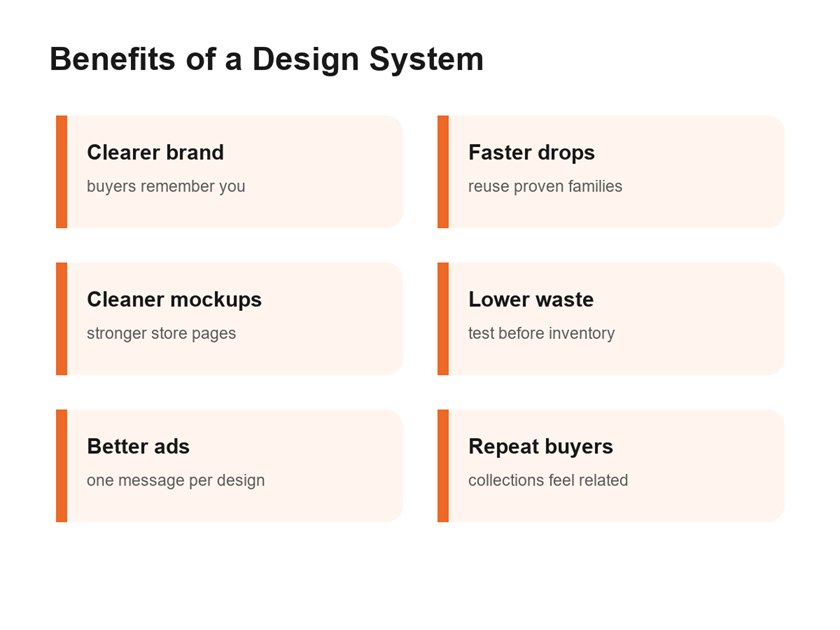
Figure 3: A repeatable design system helps startup brands
ship faster while keeping the collection coherent.
Common T-Shirt Design Mistakes Startup Brands Make
The first mistake is designing for other designers instead of buyers. A clever layout can still be a weak product if the audience cannot explain why they want it. Do not hide the point so deeply that the shirt only works after a paragraph of explanation. Clothing moves quickly in a feed, a mirror, and a checkout page.
The second mistake is launching too many ideas. More options feel safer to the founder, but they often make the brand harder to understand. A tighter drop gives customers a clearer story and gives you cleaner feedback. You can always release more once one direction proves it has demand.
The third mistake is ignoring garment color and placement until the end. Black ink on a dark shirt, tiny type under a hoodie, or a back graphic that sits too low can make a good idea feel amateur. Print method, garment blank, colorway, and placement should be part of the concept from the start.
The fourth mistake is copying trend surfaces without owning a point of view. Retro type, collegiate layouts, and hand-drawn marks can all work, but only if they connect to your buyer and brand. Trends are ingredients. The brand is the recipe.
A Practical First-Drop Checklist
Use this checklist before approving Drop 01. It turns t shirt design ideas for a clothing brand startup into a launch-ready set instead of a mood board. You do not need perfection, but you do need enough discipline to make the first public impression feel deliberate.
The simplest way to keep t shirt design ideas for a clothing brand startup useful is to judge each concept by audience fit, production fit, and launch fit before it reaches the final mockup.
- Define one primary audience and one secondary audience you are willing to ignore for now.
- Write a brand phrase bank with at least twenty phrases, but approve only the ones your buyer would actually say or wear.
- Choose four design families: typography, symbol or badge, hero graphic, and quiet essential.
- Match each design to a garment color, placement, and print method before mockups are made.
- Prepare print-ready files, including transparent exports and editable source files.
- Create product mockups, lifestyle crops, launch captions, and a waitlist or preorder path.
- Order at least one sample before promoting the design as final.
This checklist is also a good filter for future collections. If a new idea cannot fit the brand DNA, print method, and content plan, it may belong in a later experiment rather than the main drop. For founders who want the design work handled end to end, our custom T-shirt design service can turn the system into production-ready artwork and launch assets.
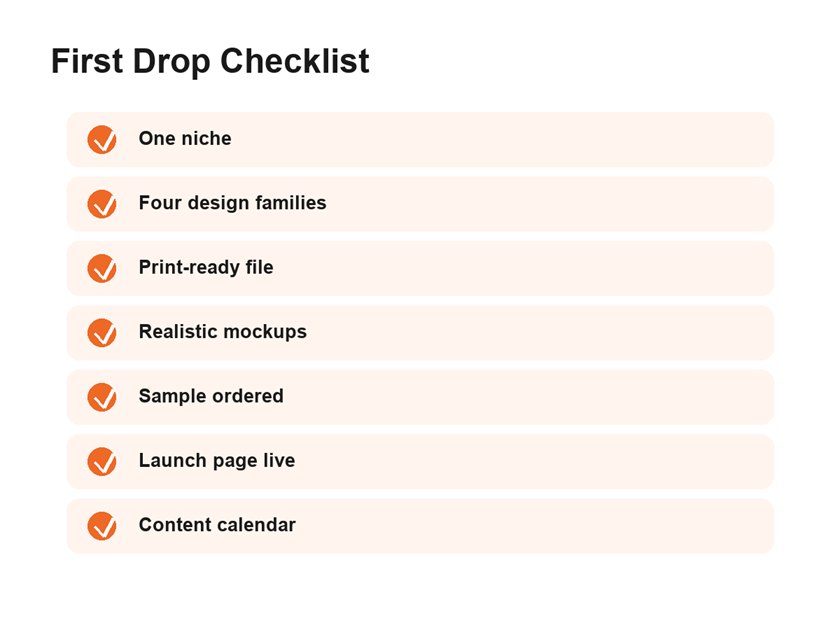
Figure 4: A first-drop checklist helps a startup move from
idea selection to launch execution.
FAQs
How many T-shirt designs should a startup launch with?
Most clothing startups should begin with four to six designs, not a giant catalog. That range gives customers real choice while keeping the brand story clear. If each design belongs to a planned family, you can test preferences without confusing the audience or overcommitting inventory.
What type of T-shirt design sells best for a new brand?
There is no universal winner, but typography, badges, and strong back graphics are practical first-drop options because they are easy to explain and photograph. The best choice depends on the niche, garment blank, price point, and whether the buyer wants a loud statement or an everyday essential.
Should I use print-on-demand or order inventory first?
Print-on-demand is useful when you need to validate demand with low upfront risk. Inventory can improve margins and quality control once a design has proof. Many startups test with POD or preorders, then move winning products into stocked production after they understand sizing and demand.
Can AI help with T-shirt design ideas?
AI can help with mood boards, phrase variations, layout directions, and fast concept exploration. It should not replace brand judgment, copyright checks, or production preparation. Use it as a drafting partner, then refine the final art so it feels ownable and print-ready.
What files do I need for a T-shirt design?
Keep the editable source file, a transparent PNG at the print provider's recommended size, and a vector file when the art allows it. Also save mockups and naming notes. Clean files make revisions, colorways, and reorders much easier once a design starts selling.
External Links Referenced
Shopify guide to print-on-demand shirts.
Printful guide to creating a perfect print file.
Printify design guide for print-on-demand products.
Printify guidance on design dimensions and printable areas.
Final Thoughts
A first clothing drop should make your brand easier to
understand, not just give you more products to post. The strongest t shirt
design ideas for a clothing brand startup are the ones that connect buyer
identity, visual consistency, production reality, and launch content. Avoid the
common mistake of treating every shirt as a separate art project. If you would
rather not build this from scratch, our team at Optivanced does it every week
through custom apparel design and launch-ready creative systems. Want a custom
plan for your business?